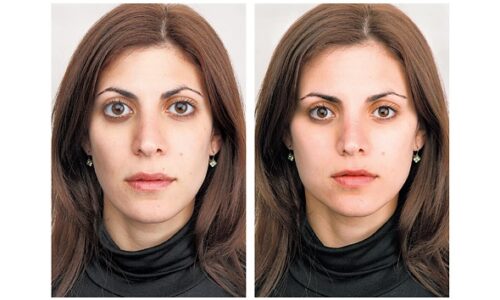
 A clear and even skin tone is one of the most sought-after signs of healthy, youthful beauty. However, pigmentation issues like sunspots, freckles, and uneven skin tone can make the complexion appear dull and aged. These discolorations are often stubborn, resisting over-the-counter creams and home remedies. Fortunately, with modern advancements in aesthetic care, achieving brighter, more uniform skin is now possible through professional treatments that target pigmentation at its source.
In today’s skincare landscape, patients are no longer limited to surface-level solutions. Aesthetic clinics now combine advanced technology with medical expertise to deliver treatments that effectively break down pigmentation and restore balance to the skin. The results are not only visible but long-lasting, offering renewed confidence and a luminous glow.
Understanding Pigmentation and Its Causes
Pigmentation refers to the darkening of the skin due to excess melanin production. Melanin, the natural pigment responsible for skin color, can sometimes accumulate unevenly due to internal and external factors. When this happens, it leads to the appearance of dark spots or patches that disrupt a smooth complexion.
Those searching for the best pigmentation treatment clinic Singapore residents trust will find that a thorough understanding of pigmentation types is key to choosing the right treatment. Common causes include:
- Sun Exposure: Ultraviolet (UV) rays stimulate melanin production as a defense mechanism, leading to freckles and sunspots over time.
- Hormonal Changes: Hormones, particularly during pregnancy or due to contraceptive use, can cause melasma, characterized by brown or grayish patches.
- Post-Inflammatory Hyperpigmentation (PIH): After acne or skin irritation, dark marks may remain as a result of inflammation.
- Aging: As the skin matures, cell turnover slows, allowing pigmentation to accumulate.
- Genetics: Some individuals are genetically predisposed to produce more melanin, making them more prone to pigmentation issues.
Pigmentation itself is harmless, but its persistence and visibility can affect self-confidence. Professional treatment ensures accurate diagnosis and effective removal tailored to your skin type.
Professional Treatments That Restore Radiance
Modern aesthetic clinics specialize in personalized pigmentation treatments that combine medical precision with aesthetic finesse. Unlike topical solutions that fade pigmentation only temporarily, these advanced therapies work deep within the skin to break down excess melanin, stimulate new cell growth, and reveal smoother, clearer skin.
Laser Therapy
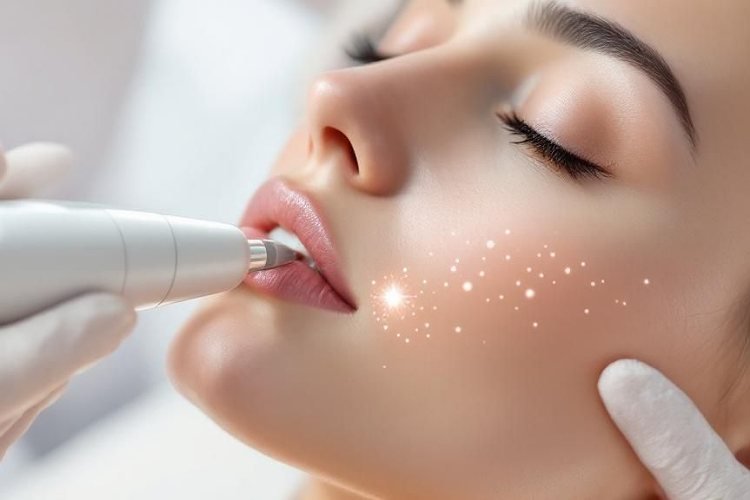
Laser technology remains the most effective and popular solution for pigmentation. It uses focused light energy to target melanin deposits without harming surrounding tissue. As the laser breaks down pigment into smaller particles, the body’s natural healing process gradually eliminates them, leading to a brighter and more even complexion.
Different types of lasers address various pigmentation concerns:
- Pico Laser: Delivers ultra-short pulses that shatter pigment efficiently while stimulating collagen for overall skin rejuvenation.
- Q-Switched Laser: A versatile treatment for freckles, sunspots, and deeper pigmentation layers, suitable for most skin tones.
- Fractional Laser: Targets both pigmentation and texture issues, promoting new collagen formation and smoother skin.
Laser therapy provides visible results with minimal downtime, making it ideal for patients with busy lifestyles.
Chemical Peels
Chemical peels work by removing the upper layers of skin to reveal fresh, evenly toned skin beneath. They use a carefully controlled blend of acids, such as glycolic or trichloroacetic acid (TCA), to exfoliate and lighten pigmentation.
There are different levels of chemical peels:
- Superficial Peels: Treat mild discoloration and refresh dull skin.
- Medium Peels: Reach deeper layers for stubborn pigmentation.
- Deep Peels: Correct severe pigmentation and sun damage.
The strength of each peel is customized based on the patient’s skin condition, ensuring both safety and effectiveness.
Intense Pulsed Light (IPL) Therapy
IPL therapy, often known as a photofacial, uses multiple wavelengths of light to target melanin clusters. The treatment breaks down pigmentation, reduces redness, and enhances skin clarity. Unlike lasers, IPL covers a larger area, making it suitable for widespread discoloration.
It is non-invasive, requires minimal recovery, and provides gradual but consistent improvement with repeated sessions.
Microneedling with Serums or Radiofrequency
Microneedling creates micro-channels in the skin using fine needles, stimulating natural healing and collagen production. When combined with brightening serums or radiofrequency energy, it enhances penetration and reduces pigmentation.
This treatment not only lightens dark spots but also improves texture, firmness, and overall skin quality. It is particularly beneficial for patients with post-inflammatory hyperpigmentation from acne.
Medical-Grade Topical Treatments
To complement in-clinic procedures, dermatologists may prescribe medical-grade skincare products containing active ingredients that lighten pigmentation and prevent recurrence. Commonly used ingredients include:
- Vitamin C: Brightens and protects the skin from free radical damage.
- Niacinamide: Regulates melanin transfer and improves skin barrier function.
- Hydroquinone: A proven skin-lightening agent used under medical supervision.
- Retinoids: Enhance cell turnover, helping fade dark spots faster.
These formulations are tailored to each patient’s needs to ensure optimal results when paired with professional treatments.
Preventing Pigmentation Recurrence
Treating pigmentation effectively requires a combination of professional care and consistent daily habits. Without preventive measures, pigmentation can return due to sun exposure or hormonal triggers.
Sun Protection Is Essential
Daily sunscreen use is the most important step in maintaining an even complexion. UV rays are one of the main causes of pigmentation, even on cloudy days or when indoors. Choose a broad-spectrum sunscreen with SPF 30 or higher and reapply regularly.
Adopt a Gentle Skincare Routine
Avoid harsh exfoliants and aggressive treatments that can irritate the skin. Gentle cleansing, hydrating moisturizers, and antioxidant-rich products help maintain the results achieved from pigmentation treatments.
Healthy Lifestyle Choices
A balanced diet rich in antioxidants like vitamins A, C, and E supports skin repair and regeneration. Adequate sleep and hydration also contribute to overall skin health.
Follow-Up Maintenance Treatments
Periodic maintenance treatments, such as light laser sessions or chemical peels, may be recommended to sustain results and prevent recurrence. These ensure the skin remains smooth, radiant, and evenly toned.
Restoring Confidence Through Advanced Care
Pigmentation can be stubborn, but with expert care, brighter and healthier skin is achievable. Aesthetic clinics that specialize in pigmentation treatments offer not only medical expertise but also a deep understanding of skin health. Their goal is to restore balance and luminosity while preserving the skin’s integrity.
Choosing the best pigmentation treatment clinic Singapore offers ensures that you receive safe, effective, and personalized care. These clinics use a combination of diagnostic precision, advanced technology, and customized plans to deliver natural-looking results that enhance both appearance and confidence.
Clear, glowing skin reflects more than beauty—it reflects self-assurance and overall wellness.
Commonly Asked Questions
How many sessions are needed to remove pigmentation?
The number of sessions depends on the type and depth of pigmentation. Most patients see improvement after three to six sessions, with continued progress over time.
Are pigmentation treatments suitable for all skin types?
Yes. Modern laser and light-based technologies can be safely adjusted for various skin tones. A consultation with a specialist ensures the best approach for your skin type.
Can pigmentation come back after treatment?
Pigmentation may return if proper sun protection and skincare maintenance are not followed. Consistent sunscreen use and regular maintenance sessions help prevent recurrence.
Are these treatments painful?
Most procedures cause only mild discomfort. Numbing creams are applied before laser or microneedling treatments to ensure comfort during the session.
How soon will I see results?
Some improvement can be seen after the first few sessions, with optimal results becoming more visible after several weeks as the skin renews itself.
Next Steps
If you are ready to achieve clear, even-toned skin and restore your natural glow, consulting an experienced dermatologist or aesthetic specialist is the best place to start. Book a professional assessment at the best pigmentation treatment clinic Singapore clinics provide to receive personalized advice and an effective care plan. With today’s advanced technology and medical expertise, you can look forward to a brighter, smoother complexion that reflects confidence and vitality.